Table Of Content
She also spoke with Rachel Kourey, the Pumps and Water Treatment Merchant for The Home Depot, for more information about whole house water filters. Finally, the water will be filtered once more, sometimes with reverse osmosis, so that the water is clean. While looking for the best whole house water filter for your home, consider what you’re looking to remove from your water. It has six stages of filtration, starting with the pre-filter, which captures rust, sediment, and silt. Then, water moves on to the rhine filter, a copper-zinc filter that includes activated carbon that helps inhibit the growth of bacteria and algae.
3M Aqua-Pure Whole House Water Filtration System
Like activated carbon, CAC uses adsorption to trap contaminants in its media, preventing them from passing through the filter with the water particles. Typically, KDF filter media is used in a tank-based system, and can be combined with carbon media or used alone. Ultraviolet purification is the solution if you are concerned about the presence of living organisms, such as bacteria, viruses, parasites, and fungi, in your water. If using well water, in the event of a natural disaster, or if you are put on a boil water advisory, an ultraviolet purification system can ensure your access to safe, filtered water. Plus, ultraviolet purification systems do not use chemicals and do not waste water. Change your prefilter every 6 to 9 months depending on the actual amount of sediment or particulate matter present in your water supply.

Are whole house water filters good for drinking water?
As the name suggests, the system uses filter cartridges, which need to be replaced occasionally. So, while the unit is around 30% cheaper than the SpringWell CF and should appeal to folks who prefer to spend less money upfront, it does require more maintenance (in the form of filter changes). However, users should note that the typical flow rate for this 2-stage filter is just 3 GPM, though it does have a maximum flow rate of about 6 GPM. This means that the water pressure in the home may be reduced to certain plumbing fixtures, like the shower or dishwasher, with the installation of this filter. Install the whole-house water filter on 3/4-inch pipes, or adapt existing plumbing to fit the 3/4-inch connections.
Carbon filters remove:
Having a certification from an accredited testing body in the United States means that KDF can be trusted as a safe, legitimate water treatment solution in your home. KDF media can remove a broad range of contaminants, though the exact contaminants removed will depend on the type of media you opt for. Water distillers cost $150-$400 upfront and have an annual spend of $40-$100 (for carbon filter replacements and electricity use).
The GE Whole House Water Filtration System is the most affordable pick on our list while still effectively filtering sediment, scale, dirt, and rust from your water. It also is effective in eliminating chlorine, which is often used when treating city water. With a moderate price point and effective carbon filtration, the 3M Aqua-Pure Whole House Water Filter is our pick for the best whole house water filter overall. Whether you’re worried about the quality of your water source or you’re using one as a precaution, installing a whole house water filter helps make consuming water worry-free.
Are Home Water Filters Ineffective? Research Says Yes - Men's Journal
Are Home Water Filters Ineffective? Research Says Yes.
Posted: Sat, 20 Apr 2024 11:15:00 GMT [source]
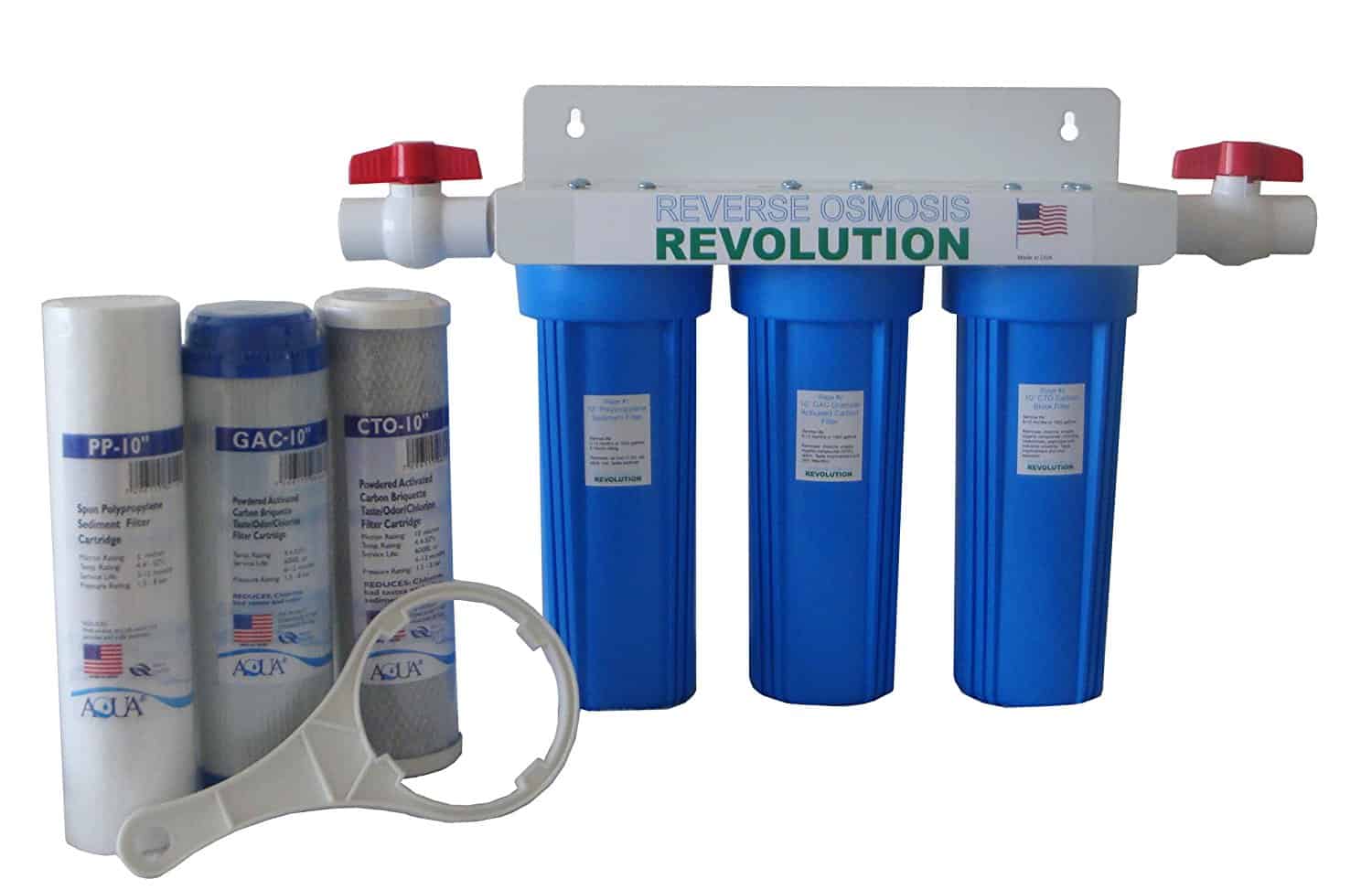
A whole house water filter is installed at your main waterline, or the pipe that brings water into your home. Sediment filters remove grains of sand, silt, rust, dust, and dirt from water. This protects the water supply and potential later filter stages from abrasive sediment damage. Some under-sink systems use a sediment filter, but most sediment filters are designed for whole home installation. We’ll be looking at each type of whole house water filter in detail, examining what it does, what it removes, and the pros and cons of installing the system in your home. The prefilter system reduces debris, sand, silt and sediment in the water supply down to 5 microns in size.
💭 Why Buy A Whole House Water Filtration System?
With these types in mind, many of the above models come with varying flow rates of 3 to 20 GPM depending upon an individual home’s water consumption. The above water and sediment filters also vary between 1-inch and ¾-inch inlets or connections to be compatible with your home’s current water system. Reverse osmosis systems, which use a membrane to separate any impurities, are great for removing heavy metals (including lead) from water because there are multiple stages of cleaning used. First, the water is pre-filtered to remove sediments and chlorine, and may even go through another carbon filtration.
Size of System
The 10 Best Whole House Water Filters in 2024 (Including Smart and Budget Options) - Thomas Insights
The 10 Best Whole House Water Filters in 2024 (Including Smart and Budget Options).
Posted: Thu, 02 Nov 2023 07:00:00 GMT [source]
But if you also want to filter your water, you may want to consider testing it first to find out what’s in it. Then, you can buy a sediment filter and a softener at the same time to build a complete water treatment system. The base model, the SS1, has a 32,000-grain capacity and a flow rate of 11 gallons per minute (gpm), which is good for up to three bathrooms. The SS4 has a 48,000-grain capacity and a flow rate of 13 gpm, which is good for four to six bathrooms.
Most of these alternatives are so-called “salt-free softeners” and are offered by big names, such as Aquasana. But a softener that doesn’t use salt isn’t a softener at all because it doesn’t remove calcium and magnesium. Instead, it transforms these minerals so they don’t stick to your pipes, appliances, fixtures, etc. This does eliminate scale buildup, but it does not affect the other annoyances of hard water, such as poorly lathering soap, streaks and stains on your dishes and glasses, and that dry, sandpaper feeling on your skin.
You might have to wait half a second for water to flow through the filter before it leaves your faucet. If you do notice a significant drop in water pressure, you may have incorrectly sized your system, or the filter may need replacement. The purpose of a filter for water is to remove harmful contaminants, making water safe to drink and improving its taste. If your heart is set on a filter that you don’t think you’ll be able to install yourself, it’s not the end of the world. You can simply pay for a professional to install the filter for you, which gives the added reassurance of knowing for certain that the installation process has been done right. The size of a water filter, or its footprint, is important if you have limited space in your planned installation location.
Our systems are proven to tackle the issues that concern well water users most. The instructions could be more clear, but at least the set comes with everything you need for a DIY installation. Another advantage of using this model is the pro installation kit it comes with. All the components included in this kit are top-notch, so you shouldn’t have any problems with leaks or faulty parts.
A whole house water filter is a water filter that’s installed on your main water line at your home’s point of entry, providing whole home filtration benefits. Carbon filters use a process called adsorption to grab contaminants out of water. The contaminants react with the activated carbon and stick to the surface of the media. Carbon filters typically have a very large surface area, allowing them to trap the maximum volume of contaminants as water flows through the media. We’ve created this comprehensive guide to help anyone who wants to learn more about whole house water filters, but isn’t ready to buy a system just yet. Enter your zip code or search your state to find details on your drinking water quality based on EWG standards (which are stricter than those of the government).


No comments:
Post a Comment